Skip to content

NguyenACCA - IFRS Academy

  • About Me
  • IFRS StandardsExpand
    • IFRS 15 – Revenue
    • IFRS 16 – Leases
  • IFRS GlossaryExpand
    • IFRS Glossary
  • Resources
NguyenACCA - IFRS Academy
  • IFRS Glossary

    IFRS 15: Key Accounting Terms Every Finance Professional Should Know

    Bynguyenacca October 21, 2026October 21, 2026

    Navigating IFRS 15 Revenue from Contracts with Customers requires a solid grasp of its standardized terminology. To help finance and accounting professionals stay compliant, here is a breakdown of the essential accounting terms defined under the standard.
    Read More IFRS 15: Key Accounting Terms Every Finance Professional Should KnowContinue

  • Mastering Contract Modifications Under IFRS 15: A Comprehensive Accounting Guide
    IFRS 15 - Revenue | IFRS Standards

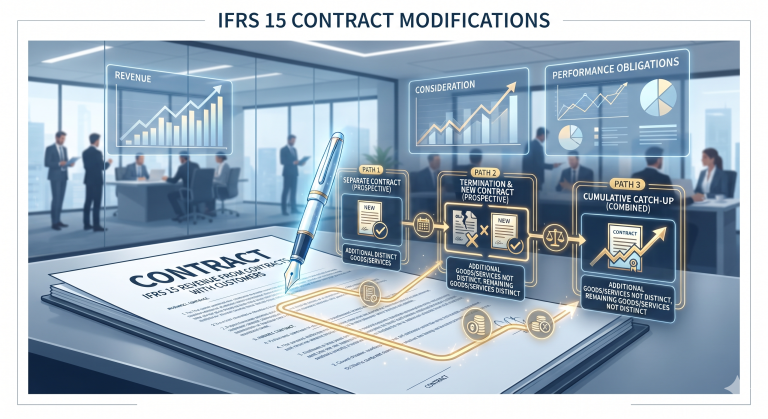
    Mastering Contract Modifications Under IFRS 15: A Comprehensive Accounting Guide

    Bynguyenacca October 21, 2026

    Master the accounting treatment for contract modifications under IFRS 15. Learn how to evaluate change orders, apply separate contract vs. prospective treatments, and handle cumulative catch-up adjustments.

    Read More Mastering Contract Modifications Under IFRS 15: A Comprehensive Accounting GuideContinue

  • IFRS 15 Step 5: Recognizing Revenue Over Time vs. at a Point in Time — Criteria, Progress Measurement, and Practical Implementation
    IFRS 15 - Revenue | IFRS Standards

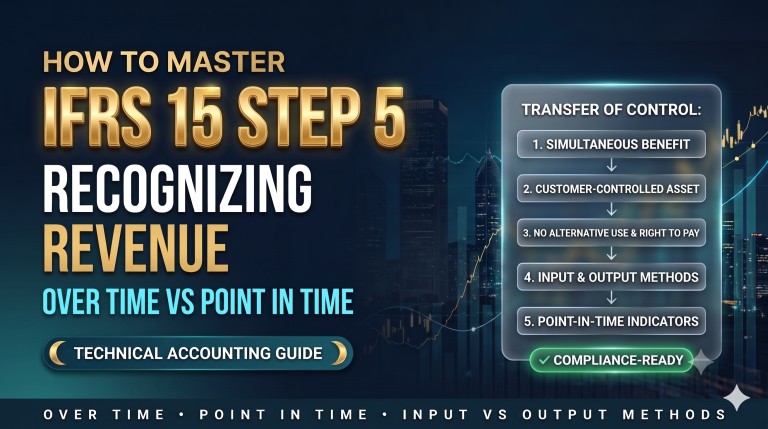
    IFRS 15 Step 5: Recognizing Revenue Over Time vs. at a Point in Time — Criteria, Progress Measurement, and Practical Implementation

    Bynguyenacca October 20, 2026

    Master IFRS 15 Step 5: evaluate over-time vs point-in-time revenue recognition, the 3 control criteria, progress methods, and practical journal entries.

    Read More IFRS 15 Step 5: Recognizing Revenue Over Time vs. at a Point in Time — Criteria, Progress Measurement, and Practical ImplementationContinue

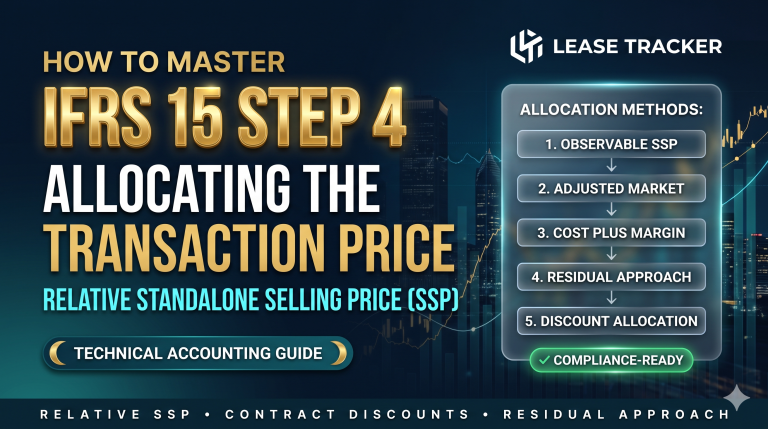
  • IFRS 15 Step 4: Allocating the Transaction Price to Performance Obligations — Standalone Selling Prices, Contract Discounts, and Practical Modeling
    IFRS 15 - Revenue | IFRS Standards

    IFRS 15 Step 4: Allocating the Transaction Price to Performance Obligations — Standalone Selling Prices, Contract Discounts, and Practical Modeling

    Bynguyenacca October 19, 2026

    Master IFRS 15 Step 4: allocate transaction price using relative Standalone Selling Prices (SSP), estimate unobservable inputs, and allocate discounts.

    Read More IFRS 15 Step 4: Allocating the Transaction Price to Performance Obligations — Standalone Selling Prices, Contract Discounts, and Practical ModelingContinue

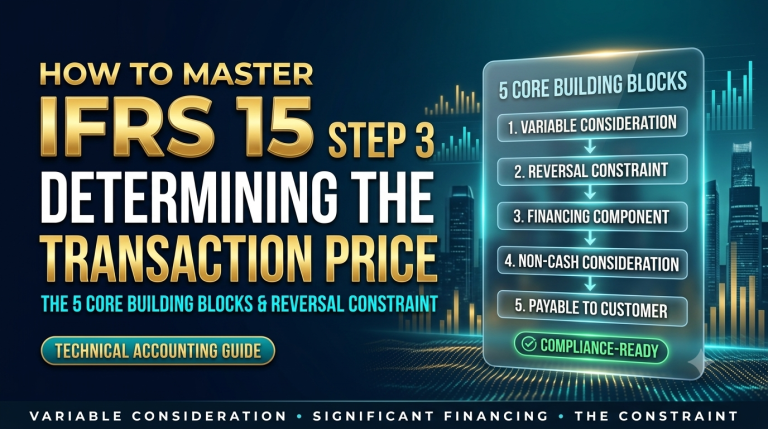
  • IFRS 15 Step 3: Determining the Transaction Price — The Five Core Components, Practical Traps, and Financial Modeling
    IFRS 15 - Revenue | IFRS Standards

    IFRS 15 Step 3: Determining the Transaction Price — The Five Core Components, Practical Traps, and Financial Modeling

    Bynguyenacca October 18, 2026October 18, 2026

    Master IFRS 15 Step 3: determine the transaction price, apply the reversal constraint, and account for financing components and price concessions.

    Read More IFRS 15 Step 3: Determining the Transaction Price — The Five Core Components, Practical Traps, and Financial ModelingContinue

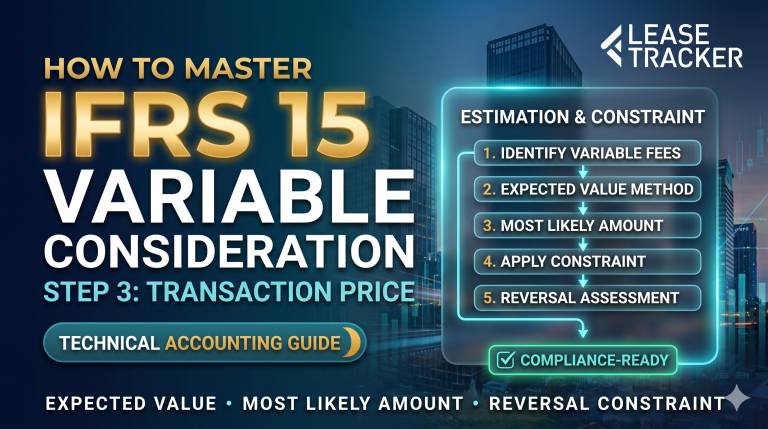
  • IFRS 15 Variable Consideration: Determining the Transaction Price, Applying the Constraint, and Practical Modeling
    IFRS 15 - Revenue | IFRS Standards

    IFRS 15 Variable Consideration: Determining the Transaction Price, Applying the Constraint, and Practical Modeling

    Bynguyenacca October 18, 2026

    Master IFRS 15 variable consideration: learn estimation models, apply the reversal constraint, and account for price concessions and returns.

    Read More IFRS 15 Variable Consideration: Determining the Transaction Price, Applying the Constraint, and Practical ModelingContinue

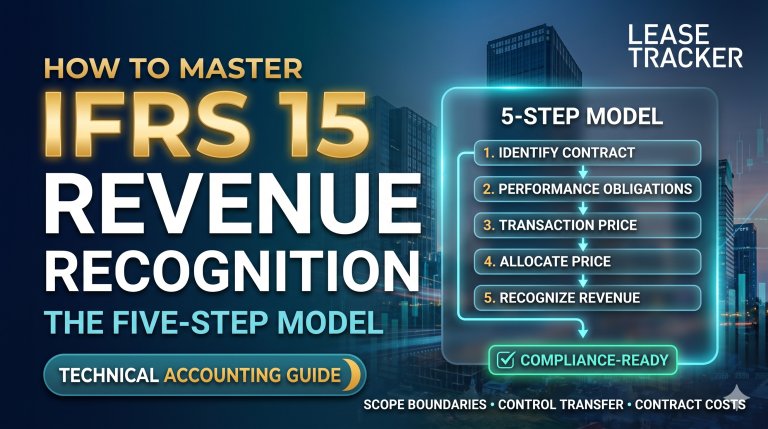
  • IFRS 15 Revenue from Contracts with Customers: Key Changes, Scope Mechanics, and Practical Implementation Guide
    IFRS 15 - Revenue | IFRS Standards

    IFRS 15 Revenue from Contracts with Customers: Key Changes, Scope Mechanics, and Practical Implementation Guide

    Bynguyenacca October 18, 2026

    Master IFRS 15 Revenue from Contracts with Customers: Explore key changes from IAS 18, scope boundaries, the five-step model, and practical contract rules.

    Read More IFRS 15 Revenue from Contracts with Customers: Key Changes, Scope Mechanics, and Practical Implementation GuideContinue

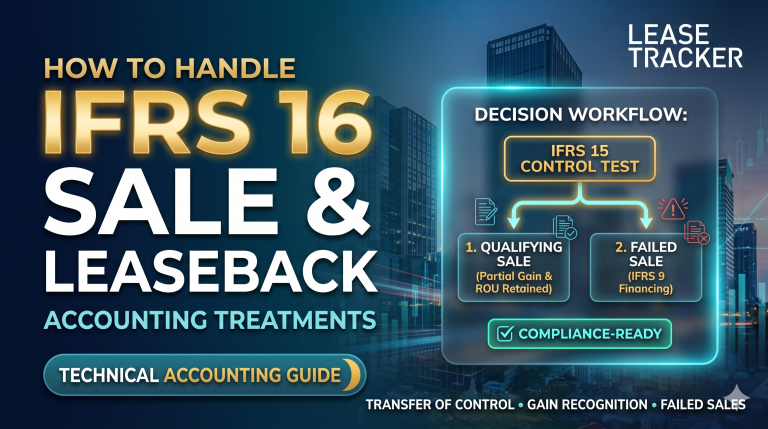
  • IFRS 16 Sale and Leaseback Transactions: Technical Accounting, IFRS 15 Gateway, and Practical Modeling
    IFRS 16 - Leases | IFRS Standards

    IFRS 16 Sale and Leaseback Transactions: Technical Accounting, IFRS 15 Gateway, and Practical Modeling

    Bynguyenacca October 18, 2026October 18, 2026

    Master IFRS 16 sale and leaseback accounting: apply IFRS 15 control criteria, measure retained ROU assets, and calculate partial gains on rights transferred.

    Read More IFRS 16 Sale and Leaseback Transactions: Technical Accounting, IFRS 15 Gateway, and Practical ModelingContinue

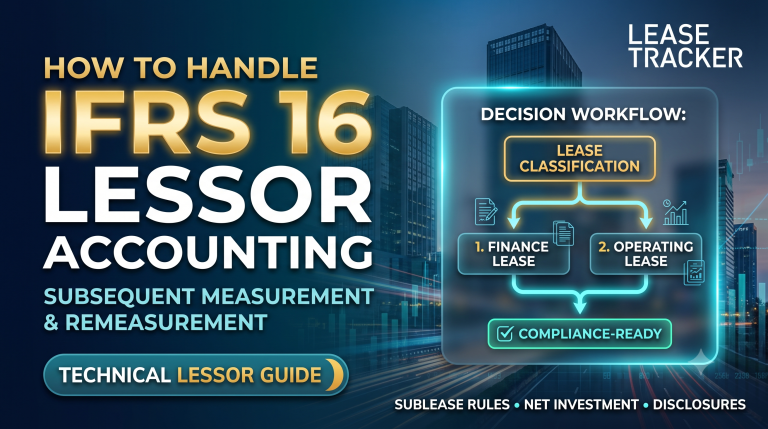
  • IFRS 16 Lessor Accounting: Technical Classification, Subsequent Measurement, and Commercial Strategy
    IFRS 16 - Leases | IFRS Standards

    IFRS 16 Lessor Accounting: Technical Classification, Subsequent Measurement, and Commercial Strategy

    Bynguyenacca October 16, 2026

    Master IFRS 16 lessor accounting: finance vs. operating lease classification, net investment valuation, intermediate sublease rules, and case studies.

    Read More IFRS 16 Lessor Accounting: Technical Classification, Subsequent Measurement, and Commercial StrategyContinue

Page navigation

1 2 Next PageNext
  • Privacy Policy
  • Disclaimer
  • Contact

© 2026 NguyenACCA - IFRS Academy - WordPress Theme by Kadence WP

  • About Me
  • IFRS Standards
    • IFRS 15 – Revenue
    • IFRS 16 – Leases
  • IFRS Glossary
    • IFRS Glossary
  • Resources